



Navigating London’s vibrant food scene can be both exhilarating and overwhelming. Where do you even begin when there’s an eatery on every corner? The best way to explore local gems, the places actual Londoners frequent, is to use Google Maps business listings. They’re not just for directions; they’re a treasure trove of information, from opening hours and menus to reviews and photos, all helping you make an informed decision before you even step foot inside. Think of them as your personal, always-on guide to authentic London flavours.
Google Maps isn’t just about getting from A to B anymore. For food explorers, it’s an indispensable tool, especially when you’re looking to dive into the local dining scene rather than just hitting up tourist traps.
Real-Time Information at Your Fingertips
No more guessing if a place is open or if they even serve what you’re craving. Google Maps provides up-to-the-minute details.
- Opening Hours: Crucial for planning, especially when London eateries can have quirky schedules. You’ll avoid showing up to a closed door.
- Contact Information: Need to make a reservation or ask about dietary restrictions? The phone number is usually just a tap away.
- Website & Menu Links: Many listings link directly to the restaurant’s website, giving you access to the full menu, prices, and sometimes even online ordering options. This is fantastic for pre-planning or if you’re dining with someone who has specific tastes or allergies.
Unfiltered Local Insights
This is where Google Maps truly shines for finding local spots. The reviews and photos come from actual customers, offering a genuine peek into the dining experience.
- User Reviews: Beyond the star rating, read the comments. People often mention specific dishes they loved (or didn’t), the atmosphere, service quality, and even tips like “it gets busy after 7 PM” or “they have great vegan options.” This qualitative data is gold.
- Customer Photos: Seeing actual photos of the food, interior, and even the exterior uploaded by other diners gives you a much better sense of what to expect than glossy professional shots. You can gauge portion sizes, presentation, and the overall vibe.
- Q&A Section: Sometimes, specific questions about a restaurant are answered by either the business owner or other patrons. This can address niche queries like “Is it wheelchair accessible?” or “Do they have outdoor seating?”
Discovering Hidden Gems
Sure, you can search for “restaurants near me,” but Google Maps allows for much more nuanced exploration.
- Specific Cuisine Searches: Craving Ethiopian food, authentic Neapolitan pizza, or a traditional British pub meal? Just type it in. Google Maps will pinpoint places offering exactly what you’re looking for, often highlighting highly-rated local favorites you might otherwise miss.
- “Explore” Feature: This less-used feature can be incredibly powerful. When you’re in an area, simply hit “Explore” and it will suggest popular eateries, coffee shops, and bars nearby, often with a “highly rated” filter. This is great for spontaneous discoveries.
- “Lists” Feature: Many Google Maps users, including local guides and food bloggers, create public lists of their favorite spots. Searching for lists like “Best brunch spots in Shoreditch” or “Top curry houses in Brick Lane” can lead you straight to curated recommendations.
If you’re interested in optimizing your Google Maps business listing, you might find this article on Costco’s hot new menu item particularly insightful. It highlights how businesses can leverage trending topics to enhance their visibility and attract more customers. For more details, check out the article here: The Buzz on Costco’s Hot New Menu Item.
Decoding Google Maps Listings for the Best Experience
Knowing how to use the listings effectively is just as important as knowing why to use them. There are specific elements to pay attention to.
The Summary View: Your First Glance
When you tap on a restaurant, you get a quick overview. Don’t just look at the stars; delve a bit deeper.
- Average Rating: While high ratings are good, pay attention to the number of reviews. A 4.8-star rating from 50 reviews is less reliable than a 4.5-star rating from 5,000 reviews.
- Price Range: Indicated by pound signs (£-££££), this gives you a rough idea of how expensive the place is. This is crucial for matching your budget.
- Cuisine Type: Confirms if it’s the kind of food you’re looking for. Sometimes, listings might be slightly off (e.g., categorizing a modern European place as just “British”), so cross-reference with the menu.
- Key Attributes/Highlights: Google often surfaces popular attributes like “Good for groups,” “Outdoor seating,” “Vegan options,” or “Cozy atmosphere.” These are quick indicators of suitability.
Diving Deeper: Reviews and Photos
This is where the real narrative of an eatery unfolds.
- Sorting Reviews: Don’t just read the top ones. Sort by “Newest” to see recent experiences, or “Lowest rating” to understand potential pitfalls. Sorting by “Highest rating” can highlight consistent positives.
- Look for Themes: Do multiple reviews praise the same dish? Or do several mention slow service? Recurring themes are strong indicators.
- Filter by Keywords: If you have specific dietary needs (e.g., “gluten-free,” “halal”) or are looking for a specific amenity (“wifi,” “dog friendly”), use the search bar within the reviews section to see if anyone has mentioned it.
- Scrutinize Photos: Are the photos recent? Do they look appealing? Do they match the descriptions in the reviews? Sometimes older photos don’t reflect current offerings or decor.
Beyond the Basics: Practical Logistics
Google Maps also helps with the nitty-gritty details that make or break a dining experience.
- Location & Directions: Obviously, this is Maps’ core function. But beyond just getting there, consider the surroundings. Is it easily accessible by public transport? Is there parking nearby if you’re driving?
- Peak Times: Google Maps often shows a bar graph of “Popular times,” indicating when the restaurant is usually busiest. This is invaluable for avoiding long waits or planning to go during quieter periods.
- Accessibility Information: Some listings include details about wheelchair accessibility for entrances, restrooms, and seating areas. This is vital for inclusive dining.
- Delivery/Takeaway Options: If you’re looking for a night in, many listings indicate if they offer delivery or takeaway, sometimes even linking directly to delivery platforms.
Ethical Eating and Supporting Local Businesses
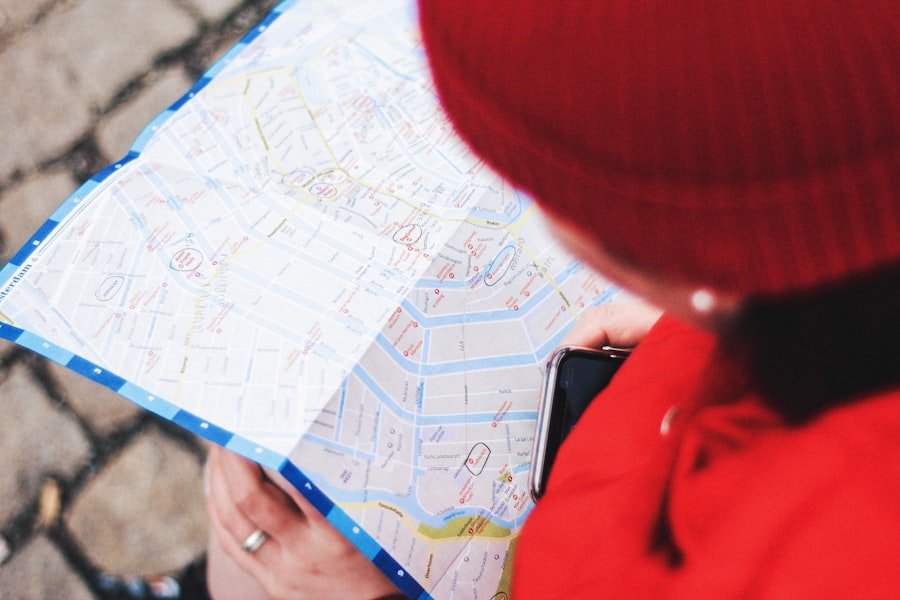
When you use Google Maps to find local eateries, you’re not just getting a meal; you’re often contributing to the fabric of London’s diverse communities.
The Power of Your Review
Your experience, good or bad, holds weight. By leaving thoughtful reviews, you empower other diners and help businesses.
- Be Specific: Instead of just “great food,” mention what food was great. “The lamb kofte was incredibly tender and flavourful” is much more helpful.
- Be Honest and Fair: If something wasn’t perfect, describe it objectively. “Service was a bit slow, but the staff were very apologetic” is better than a harsh, unconstructive critique.
- Include Photos: High-quality, well-lit photos of dishes, the interior, or even the exterior can significantly enhance your review’s value.
- Update Information: If you notice that opening hours have changed or a menu item is no longer available, you can suggest an edit to the business listing. This helps keep information accurate for everyone.
Spotting Authenticity vs. Tourist Traps
While Google Maps doesn’t explicitly label places as “authentic” or “tourist trap,” there are clues in the listings that help you differentiate.
- Review Language: Are most reviews in English from international visitors, or do you see a mix of languages, including local slang or references only a local would understand? This can be a subtle hint.
- Price Point vs. Cuisine: An incredibly cheap price for a traditionally expensive cuisine in a prime tourist area might indicate lower quality or a tourist-focused menu.
- Specialties & Uniqueness: Local gems often pride themselves on unique dishes, family recipes, or a specific ambiance that sets them apart. Look for reviews that highlight these distinctive features.
- Consistency of Reviews: Highly authentic, well-loved local places often have consistently good reviews over a long period, rather than sporadic bursts of positivity.
Beyond the Plate: Exploring London’s Culinary Neighbourhoods
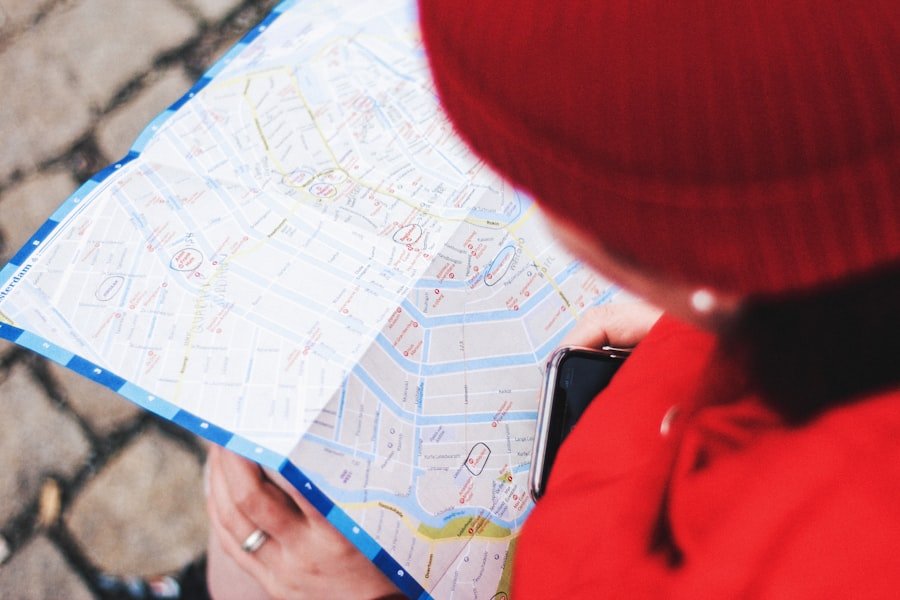
London is a city of distinct neighbourhoods, each with its own culinary identity. Google Maps helps you explore these unique foodscapes.
Soho & Chinatown: A Global Feast
From bustling theatrical restaurants to hidden noodle bars, this area is a sensory overload.
- Chinatown’s Best: Use Maps to find authentic dim sum spots like Dumplings’ Legend or classic Cantonese roasteries. Look for places with long queues outside – often a good sign!
- Soho’s Eclectic Mix: Search for “tapas Soho,” “French bistro Soho,” or “pre-theatre dining Soho” to pinpoint options for any occasion. Google Maps can highlight Michelin-starred places or casual eateries side-by-side.
- Coffee & Cakes: Don’t forget the numerous independent coffee shops and bakeries. A quick search for “coffee shop Soho” will bring up highly-rated independent spots often tucked away on side streets.
East London: Trendy & Traditional
Shoreditch, Hoxton, and Brick Lane offer a blend of cutting-edge cuisine and historic ethnic enclaves.
- Brick Lane Curry Houses: This area is famous for its South Asian food. Use Google Maps to compare reviews for different curry houses; some are genuine gems, others are more tourist-focused. Look for recommendations of specific dishes.
- Shoreditch’s Vegan Scene: This area is a hotspot for plant-based eating. A search for “vegan Shoreditch” will reveal a plethora of options, from vegan junk food to refined dining.
- Artisan Bakeries & Markets: Columbia Road Flower Market or Broadway Market often have pop-up food stalls and permanent eateries worth exploring. Use Maps to pin them and read reviews on their specific offerings.
Borough Market & Southwark: Foodie Paradise
This area is centered around one of London’s most famous food markets, but also has excellent standalone restaurants.
- Borough Market Stalls: While the market itself is an experience, Google Maps can help you identify specific stalls that have garnered rave reviews for their specific offerings, whether it’s a gourmet cheese toastie or an exotic street food dish.
- Riverside Dining: Search for “restaurants near London Bridge” to find eateries with stunning views of the Thames, from upscale dining to more casual pubs.
- Local Pubs with Great Food: Don’t underestimate London’s pubs. Many serve excellent, high-quality food that goes far beyond typical pub grub. Search for “gastropub Southwark” or “Sunday roast near Borough Market” to find these culinary treasures.
West London: Refined & Elegant
From Notting Hill’s charming cafes to Kensington’s upscale dining, this side of London offers a more polished experience.
- Notting Hill Cafes: Explore the picturesque streets and use Maps to find independent cafes perfect for brunch or an afternoon tea. Look for places with outdoor seating for people-watching.
- Kensington’s Fine Dining: If you’re looking for a special occasion meal, search for “fine dining Kensington” and use the price filter to narrow down options. Reviews will often highlight service and ambiance in addition to food quality.
- Traditional Afternoon Tea: Many hotels and patisseries offer afternoon tea. Use Google Maps to compare menus, prices, and atmospheres for this quintessentially British experience.
If you’re looking to enhance your coffee experience, you might want to explore how local businesses can benefit from a strong online presence. A related article discusses the importance of optimizing your Google Maps business listing, which can significantly improve visibility and attract more customers. You can read more about it in this insightful piece on Chemex coffee for two people. This guide not only highlights the joy of brewing coffee but also emphasizes the value of connecting with your community through effective online marketing strategies.
Pro Tips for the Google Maps Food Explorer
| Metrics | Data |
|---|---|
| Number of Views | 1000 |
| Customer Actions | 500 |
| Search Queries | 200 |
| Photos Uploaded | 50 |
To really master your food journey through London using Google Maps, here are a few advanced tips.
Creating Your Own Lists
As you discover places you love or places you want to try, create custom lists.
- “London Foodie Wishlist”: Save all those tempting places you hear about.
- “Best Brunches in London”: A curated list of your favourite morning spots.
- “Work Lunch Spots”: Practical lists for everyday needs.
You can make these lists private or share them with friends who are also visiting or live in London.
Following Local Guides
Google’s Local Guides programme allows users to contribute reviews, photos, and information. Following prolific and helpful local guides can lead you to excellent recommendations.
- Look for high-level guides: These users have contributed a lot and often have a good “feel” for quality.
- Check their other reviews: If you trust their opinion on one restaurant, chances are you’ll trust it on others.
Using the “Save” Feature Liberally
Found a place that looks interesting but you’re not ready to commit? Hit the “Save” icon (the bookmark) on its listing. You can categorize it into one of your lists or just keep it in your general “Saved” places. This prevents you from forgetting about promising leads.
Reporting Inaccuracies
If you notice a business listing has incorrect hours, an outdated menu link, or has even closed down, you can suggest an edit. This helps keep Google Maps reliable for everyone and is a small way to contribute back to the community of food explorers.
Don’t Be Afraid to Venture Off the Beaten Path
While major attractions have plenty of dining options, some of London’s most authentic and delicious food is found in residential areas or slightly further out. Use Google Maps to zoom in on areas you might not normally visit, and simply search for “restaurants” to see what highly-rated local spots pop up. You might discover your new favourite.
In conclusion, Google Maps is far more than just a navigation app for London’s food scene. It’s an interactive, community-driven platform that puts a wealth of local knowledge, real-time information, and genuine insights right into your pocket. By understanding how to effectively use its features, you can move beyond the typical tourist fare and truly savour the diverse, authentic, and delicious culinary experiences London has to offer. So, charge your phone, open Google Maps, and start your delicious adventure!
