



As of October 2023, the national average gas price in the United States has seen a notable decline, settling around $3.50 per gallon. This figure represents a significant drop from the highs experienced in previous years, particularly during the summer months when prices surged due to increased demand and geopolitical tensions affecting oil supply chains. The current average reflects a complex interplay of market dynamics, including changes in crude oil prices, seasonal demand fluctuations, and shifts in consumer behavior.
The decrease in gas prices has been welcomed by many consumers who have felt the pinch of rising costs across various sectors. The American Automobile Association (AAA) regularly updates its gas price index, providing insights into regional variations and trends. The current average is a stark contrast to the peaks observed in 2022, where prices soared above $5.00 per gallon in some areas.
This reduction not only alleviates financial pressure on households but also influences broader economic indicators, as fuel costs are a significant component of consumer spending.
Factors Contributing to the Drop in Gas Prices
Several factors have converged to drive down gas prices in recent months. One of the primary contributors is the stabilization of crude oil prices, which have seen a decrease due to increased production from major oil-producing nations. The Organization of the Petroleum Exporting Countries (OPEC) and its allies, collectively known as OPEC+, have adjusted their output levels in response to fluctuating global demand.
This strategic maneuvering has helped to balance supply and demand, leading to lower crude oil prices that directly impact gasoline costs. Additionally, seasonal changes play a crucial role in gas pricing. As summer transitions into fall, the demand for gasoline typically decreases as fewer people embark on road trips and vacations.
Refineries also shift their production focus from summer blends, which are more expensive to produce, to winter blends that are cheaper and easier to refine. This seasonal adjustment contributes to lower prices at the pump, as the market responds to reduced consumer demand and operational efficiencies in refining processes.
Impact of Lower Gas Prices on Consumer Spending
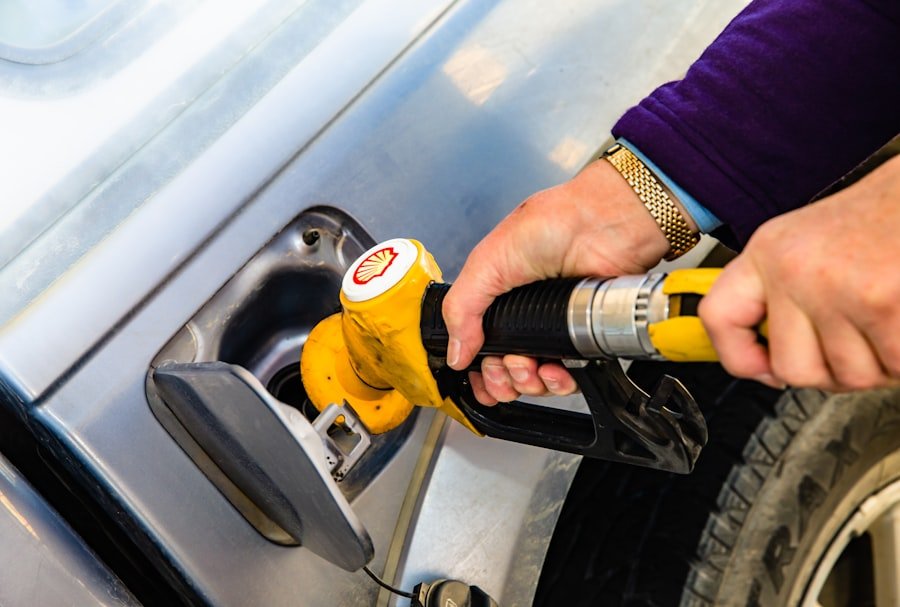
The decline in gas prices has a ripple effect on consumer spending patterns across various sectors of the economy. When consumers spend less on fuel, they often have more disposable income available for other purchases. This phenomenon can lead to increased spending in retail, dining, and entertainment sectors, stimulating economic growth.
For instance, families may choose to allocate their savings from lower gas prices towards dining out or purchasing new clothing, thereby benefiting local businesses. Moreover, lower gas prices can enhance consumer confidence. When individuals perceive that they are saving money at the pump, they may feel more optimistic about their financial situation and be more willing to make larger purchases or investments.
This psychological effect can be particularly pronounced during holiday seasons or major sales events when consumers are already inclined to spend. As a result, businesses may experience a boost in sales, contributing to overall economic vitality.
Regional Variations in Gas Prices
Gas prices are not uniform across the United States; they vary significantly by region due to a multitude of factors including local taxes, transportation costs, and proximity to refineries. For example, states like California often experience higher gas prices due to stringent environmental regulations and higher state taxes on fuel. In contrast, states in the Midwest or South may enjoy lower prices because of lower taxes and closer access to oil refineries.
Areas that are further from major oil pipelines or refineries may face higher transportation costs, which can be passed on to consumers at the pump. For instance, rural areas may see higher gas prices compared to urban centers where competition among gas stations can drive prices down.
Understanding these regional variations is essential for consumers who want to make informed decisions about where and when to fill up their tanks.
Predictions for Future Gas Price Trends
Looking ahead, analysts are divided on the trajectory of gas prices for the remainder of 2023 and into 2024. Some experts predict that prices may remain relatively stable due to ongoing efforts by OPEC+ to manage production levels and prevent oversupply in the market. If global demand continues to recover post-pandemic and geopolitical tensions remain subdued, it is plausible that gas prices could stabilize around current levels.
Conversely, unforeseen events such as natural disasters, political instability in oil-producing regions, or significant shifts in consumer behavior could disrupt this stability. For instance, if there were to be a resurgence of conflict in the Middle East or sanctions imposed on major oil exporters, crude oil prices could spike again, leading to higher gas prices at the pump. Additionally, as electric vehicles become more prevalent and consumer preferences shift towards sustainable energy sources, traditional gas prices may experience long-term volatility as demand dynamics evolve.
How Lower Gas Prices Affect the Oil and Gas Industry
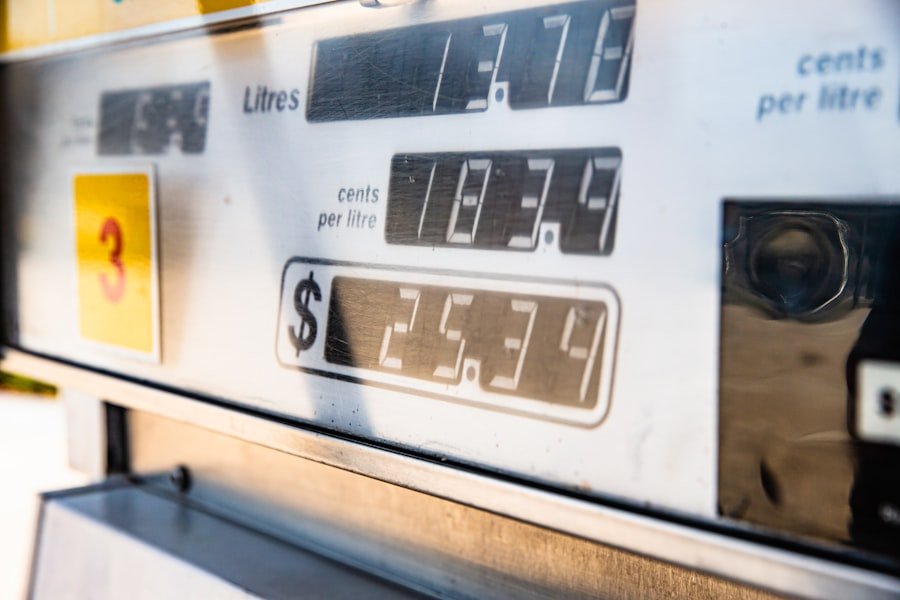
The oil and gas industry is intricately linked to fluctuations in gas prices, with lower prices presenting both challenges and opportunities for companies operating within this sector. On one hand, reduced gas prices can lead to decreased revenues for oil companies as their profit margins shrink. This scenario often prompts companies to reevaluate their operational strategies, potentially leading to cutbacks in exploration and production activities.
On the other hand, lower gas prices can stimulate demand for gasoline and other petroleum products. As consumers find it more affordable to fuel their vehicles, overall consumption may increase, which can benefit companies that are well-positioned within the market. Additionally, lower prices can encourage investment in refining capacity and infrastructure improvements as companies seek to capitalize on increased demand for fuel products.
Strategies for Consumers to Save Money on Gas
In light of fluctuating gas prices, consumers can adopt several strategies to maximize their savings at the pump. One effective approach is to utilize mobile apps and websites that track gas prices in real-time, allowing consumers to identify the cheapest stations in their area. By planning refueling trips around these price fluctuations, individuals can significantly reduce their overall fuel expenses.
Another strategy involves optimizing driving habits to improve fuel efficiency.
Additionally, carpooling or using public transportation when feasible can further decrease individual fuel costs while also contributing positively to environmental sustainability.
Environmental Impacts of Fluctuating Gas Prices
The environmental implications of fluctuating gas prices are multifaceted and warrant careful consideration. Lower gas prices can lead to increased consumption of fossil fuels as consumers take advantage of cheaper fuel costs for travel and transportation. This uptick in usage can exacerbate greenhouse gas emissions and contribute to air pollution, undermining efforts toward sustainability and climate change mitigation.
Conversely, when gas prices rise significantly, consumers may be incentivized to seek alternative modes of transportation or invest in more fuel-efficient vehicles. This shift can lead to a reduction in overall fossil fuel consumption and promote cleaner energy solutions. The interplay between gas prices and environmental impact highlights the need for comprehensive policies that encourage sustainable practices while also addressing economic realities faced by consumers and industries alike.
